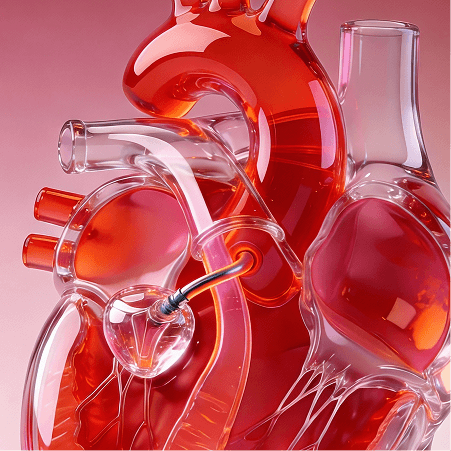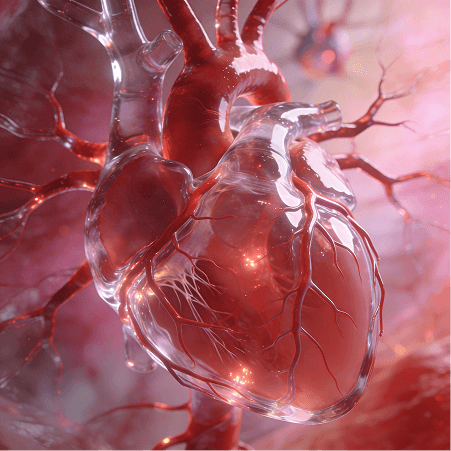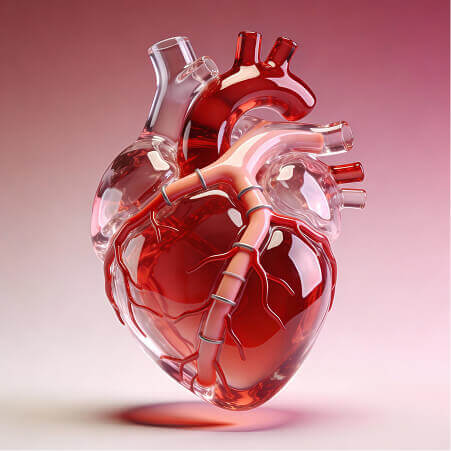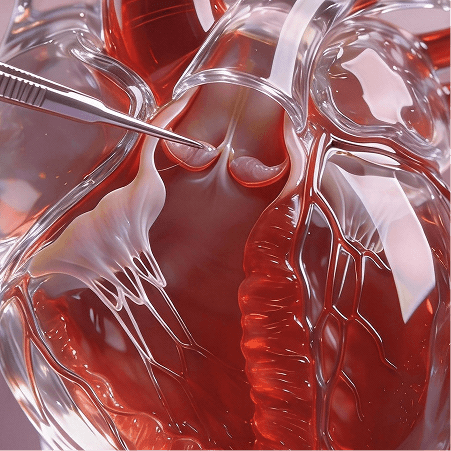


Heart valves work like one-way doors that keep blood moving smoothly through the heart. There are four heart valves—the mitral, aortic, tricuspid, and pulmonary valves—and each one opens and closes with every heartbeat to ensure blood flows in the right direction. When a valve becomes damaged, stiff, or leaky, blood may not move efficiently, forcing the heart to work harder than it should. Over time, this can cause symptoms such as breathlessness, tiredness, or swelling, and may affect the heart’s ability to function properly.
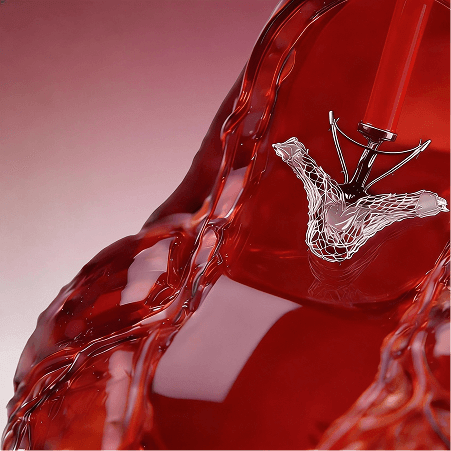
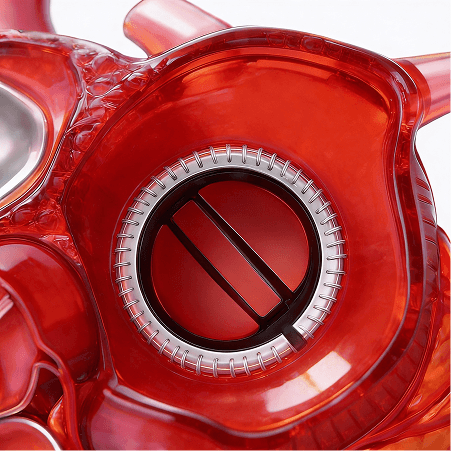
Valvular repair and replacement are procedures used to correct these problems and restore normal blood flow. Valve repair means fixing the patient’s own valve by correcting areas that do not open or close properly. This approach is preferred whenever possible because it preserves the natural valve and usually avoids the need for long-term blood-thinning medication. Valve replacement is considered when the valve is too damaged to be repaired. In such cases, the valve is replaced with an artificial valve, which may be made of durable metal or specially treated animal tissue, chosen based on the patient’s age, lifestyle, and medical condition.
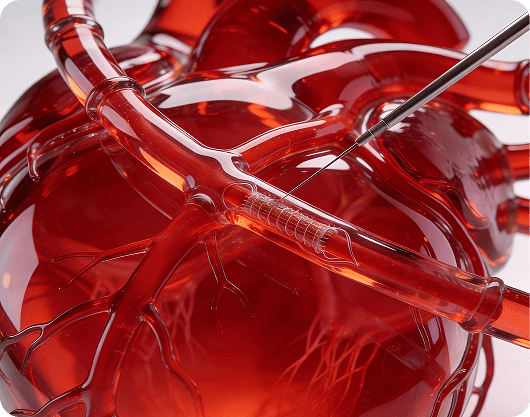
Dr. Gulshan Rohra assesses each patient carefully to determine whether repair or replacement is the most appropriate option. Treatment may be performed through traditional open-heart surgery or through less invasive techniques that use smaller incisions or access through blood vessels, depending on the nature of the valve problem and the patient’s overall health. The aim is to correct the valve issue safely while supporting steady recovery and long-term heart function.
By addressing valve disease in a timely and appropriate manner, valvular repair and replacement can help reduce symptoms, improve daily activity levels, and support ongoing heart health.