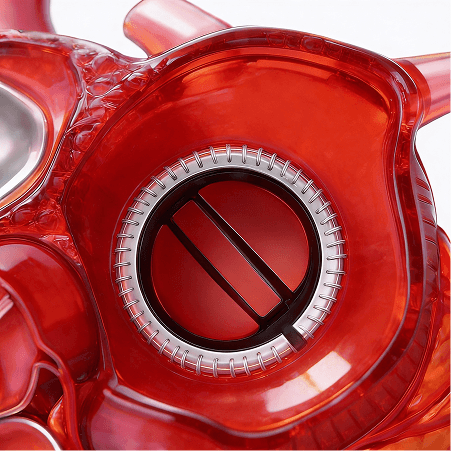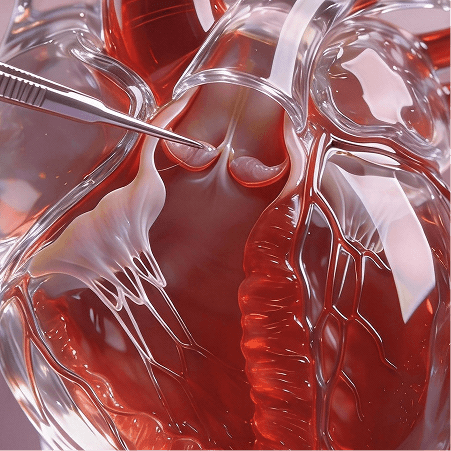

Minimally invasive valve surgery is a technique used to repair or replace heart valves through smaller openings in the chest, rather than opening the breastbone as in traditional open-heart surgery. Instead of a long incision down the centre of the chest, the procedure is performed through small cuts, usually placed to the side of the chest. A… Continue reading Minimally Invasive Valve Surgery
Archives: Expertise
Minimally Invasive Cardiac Bypass Surgery
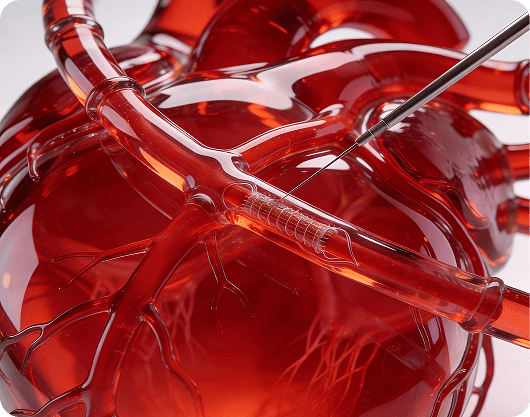
Minimally invasive cardiac bypass surgery is a surgical option used to treat blocked coronary arteries that supply blood to the heart, without opening the chest through the breastbone. Instead of a long incision down the centre of the chest, the procedure is performed through small openings on the left side of the chest. In some cases, robotic assistance is used to… Continue reading Minimally Invasive Cardiac Bypass Surgery
Coronary Artery Bypass Grafting (CABG)
Coronary Artery Bypass Grafting (CABG) is a well-established cardiothoracic surgical procedure performed to restore adequate blood flow to the heart when the coronary arteries become blocked or severely narrowed. These blockages, most often caused by coronary artery disease, reduce the supply of oxygen-rich blood to the heart muscle and can lead to symptoms such as… Continue reading Coronary Artery Bypass Grafting (CABG)
Valvular Repair and Replacement
Heart valves work like one-way doors that keep blood moving smoothly through the heart. There are four heart valves—the mitral, aortic, tricuspid, and pulmonary valves—and each one opens and closes with every heartbeat to ensure blood flows in the right direction. When a valve becomes damaged, stiff, or leaky, blood may not move efficiently, forcing… Continue reading Valvular Repair and Replacement
Adult Congenital Heart Diseases
Congenital heart disease refers to heart conditions that are present from birth. These may include openings between heart chambers (often described as “holes in the heart”), abnormal heart valves, or blood vessels that are positioned or connected differently than normal. While many congenital heart problems are detected and treated in childhood, some remain mild or unnoticed for… Continue reading Adult Congenital Heart Diseases
Complex Cardiac Cases
Complex cardiac cases involve heart conditions that are difficult to manage because of their severity, combination of problems, or previous treatments. These may include a weakened heart muscle that struggles to pump blood effectively, patients who require repeat heart surgery, or situations where more than one issue—such as blocked coronary arteries along with damaged heart valves—needs to be addressed… Continue reading Complex Cardiac Cases
Transcatheter Aortic Valve Implantation (TAVI)
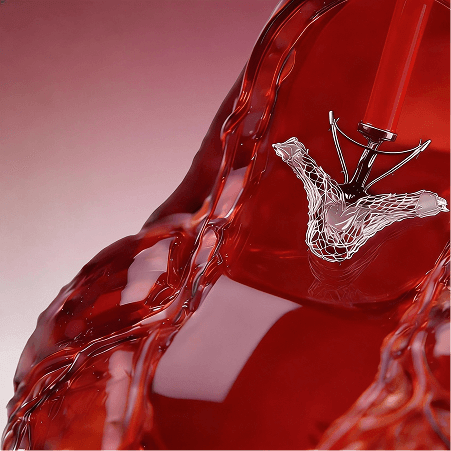
Transcatheter Aortic Valve Implantation, commonly known as TAVI, is a minimally invasive procedure used to treat aortic valve stenosis, a condition in which the aortic valve becomes stiff and narrowed, restricting blood flow from the heart to the rest of the body. This narrowing can cause symptoms such as breathlessness, tiredness, dizziness, or fainting, particularly… Continue reading Transcatheter Aortic Valve Implantation (TAVI)
MitraClip
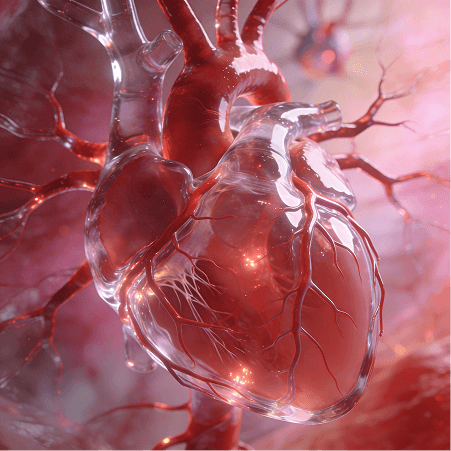
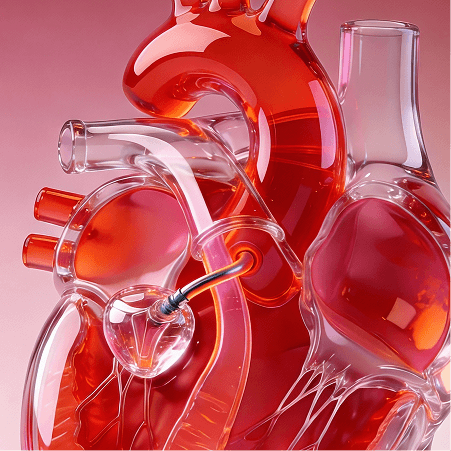
MitraClip is a minimally invasive treatment for a leaking mitral valve, where blood flows backward inside the heart instead of moving forward properly. This can cause breathlessness, tiredness, and difficulty with everyday activities. In this procedure, a small clip is guided to the heart through a thin tube inserted from a vein in the leg. The… Continue reading MitraClip
Pacemaker
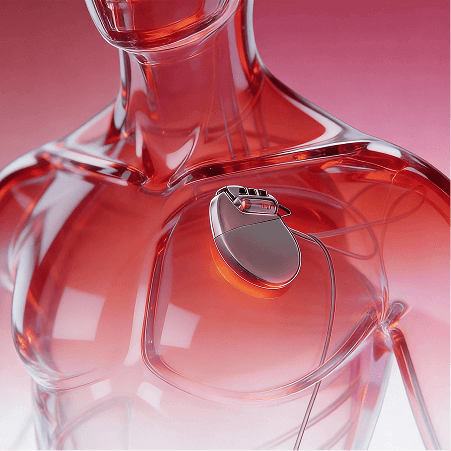
A pacemaker is a small electronic device placed under the skin of the chest to help control the heartbeat. It works by sending gentle electrical signals to the heart when the natural heartbeat becomes too slow, irregular, or unreliable. Pacemakers are commonly used to treat conditions such as irregular heart rhythm (arrhythmia), slow heart rate… Continue reading Pacemaker