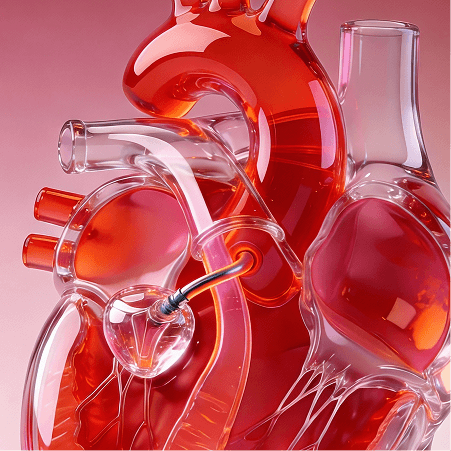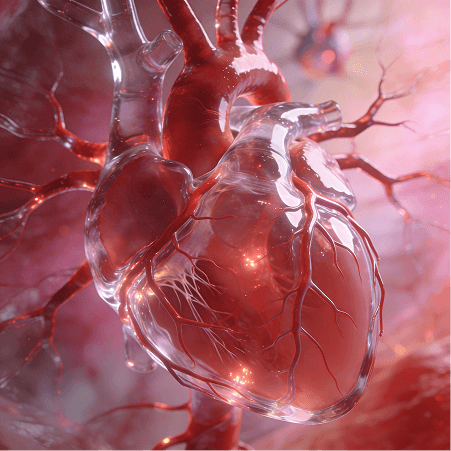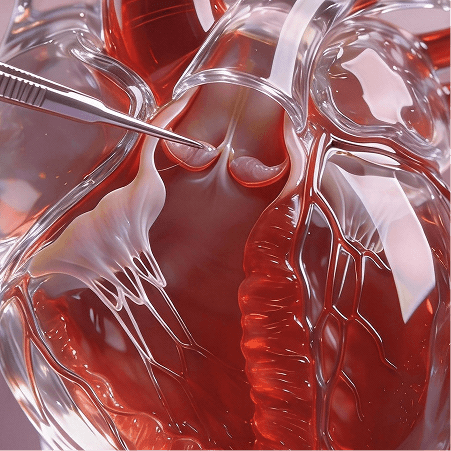


Transcatheter Aortic Valve Implantation, commonly known as TAVI, is a minimally invasive procedure used to treat aortic valve stenosis, a condition in which the aortic valve becomes stiff and narrowed, restricting blood flow from the heart to the rest of the body. This narrowing can cause symptoms such as breathlessness, tiredness, dizziness, or fainting, particularly in older adults.
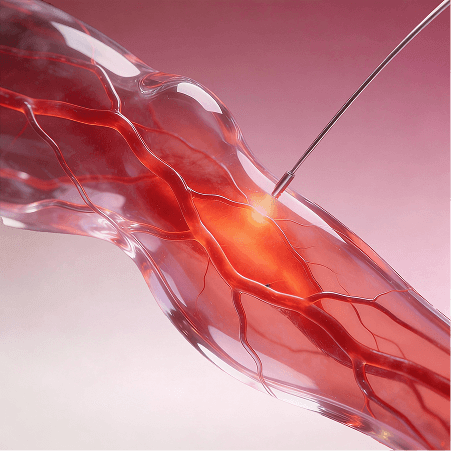
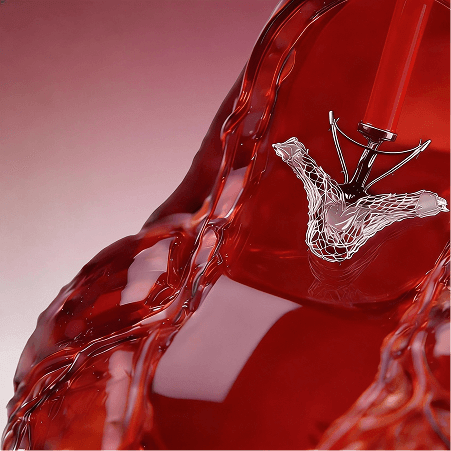
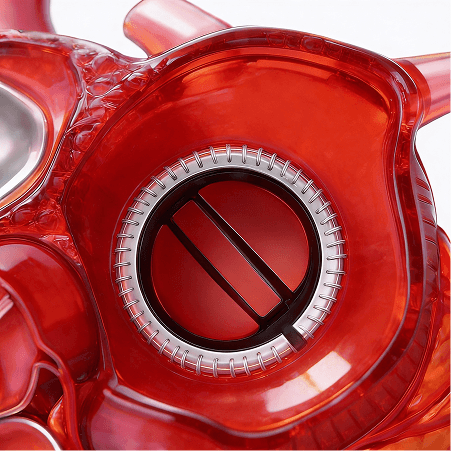
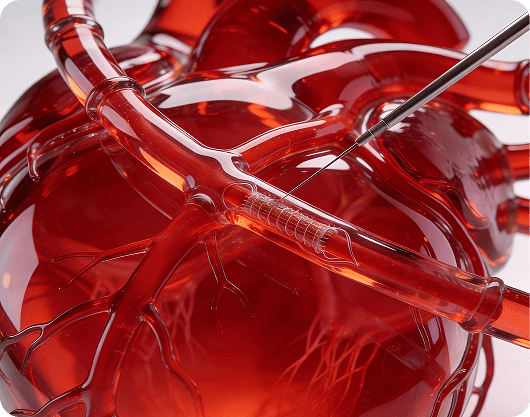
In a TAVI procedure, a new valve is delivered to the heart through a thin tube called a catheter. The catheter is usually inserted through an artery in the leg, and in some cases through a small opening in the chest. The new valve is guided into position inside the existing damaged valve, where it expands and begins to function immediately. The old valve is not removed; instead, it is gently pushed aside by the new one. Because the chest is not opened and the heart does not need to be stopped, TAVI avoids the demands of open-heart surgery.
TAVI is most commonly considered for patients who are at higher risk for conventional surgery, including elderly individuals or those with other medical conditions that make open-heart procedures less suitable. The recovery period is generally shorter, with less discomfort and a reduced need for prolonged hospital stay compared to traditional valve replacement surgery. Many patients notice improvement in symptoms such as breathlessness and fatigue relatively soon after the procedure.
Not all patients with aortic valve disease are candidates for TAVI. Careful evaluation of the valve condition, blood vessels, and overall health is required to determine whether this approach is appropriate. Dr. Gulshan Rohra assesses these factors in detail to ensure that TAVI is offered when it provides a safe and effective way to restore valve function and support improved daily activity and heart performance.