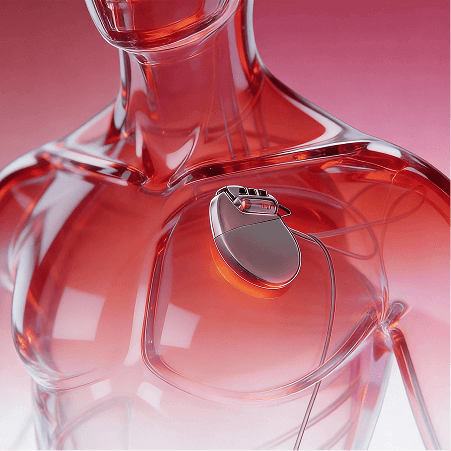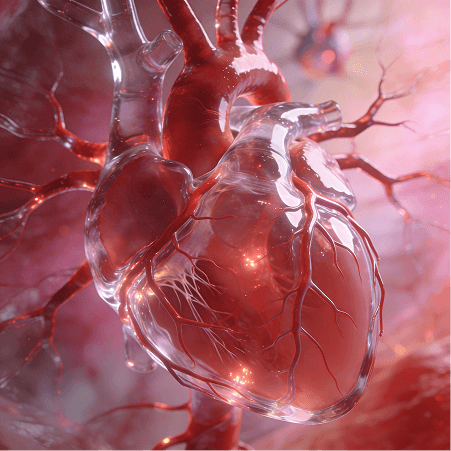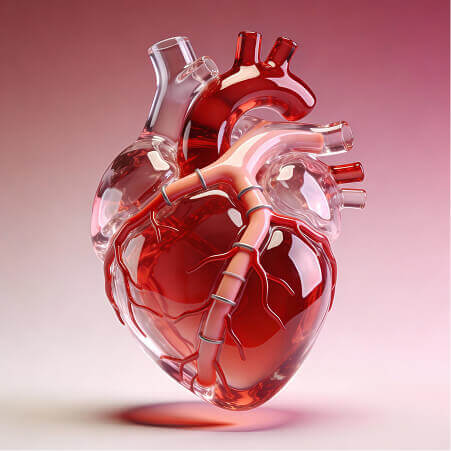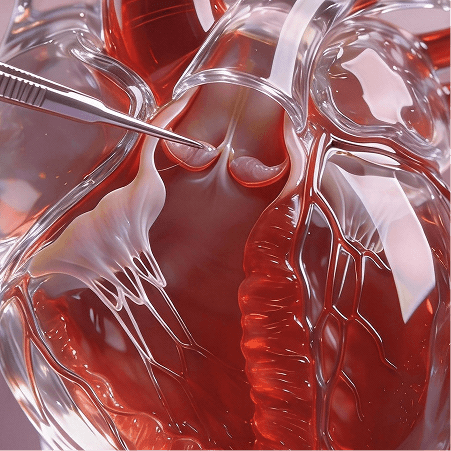


A pacemaker is a small electronic device placed under the skin of the chest to help control the heartbeat. It works by sending gentle electrical signals to the heart when the natural heartbeat becomes too slow, irregular, or unreliable. Pacemakers are commonly used to treat conditions such as irregular heart rhythm (arrhythmia), slow heart rate (bradycardia), or heart block, where the heart’s electrical signals do not travel properly.
When the heart does not beat at a steady pace, it can lead to symptoms like dizziness, fatigue, shortness of breath, or fainting. A pacemaker helps restore a regular rhythm, allowing the heart to pump blood more effectively. This can reduce symptoms, support daily activities, and lower the risk of serious complications related to abnormal heart rhythms.
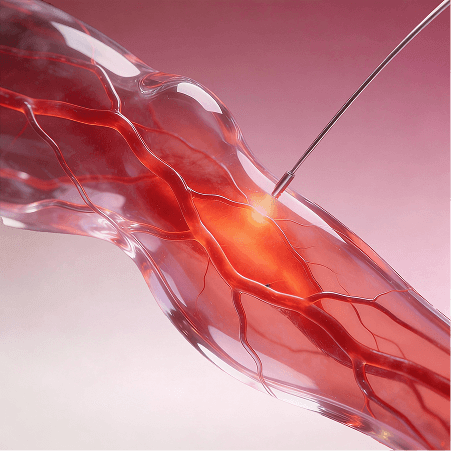
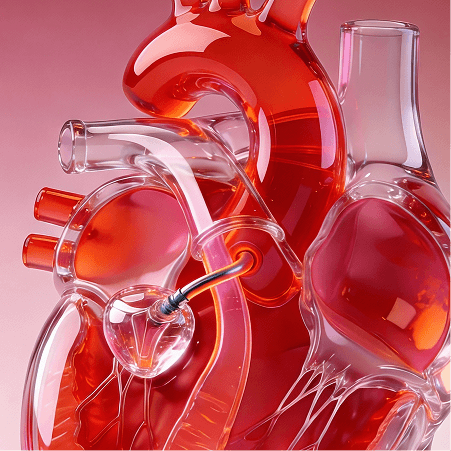
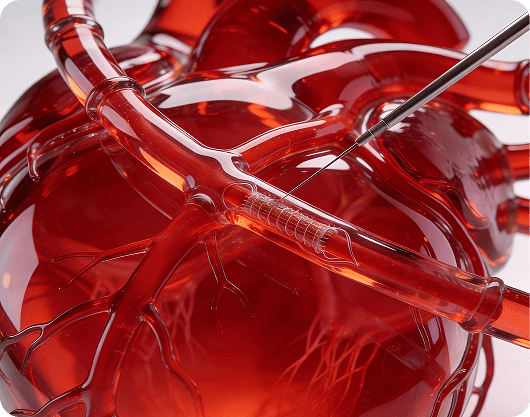
Pacemaker implantation is a minimally invasive procedure. The device is placed through a small incision in the chest, and the leads are guided to the heart through blood vessels. The procedure is generally safe, and most patients are able to return to normal routines within a few days. Once implanted, the pacemaker works continuously in the background, adjusting the heart rate as needed to support stable and reliable heart function.