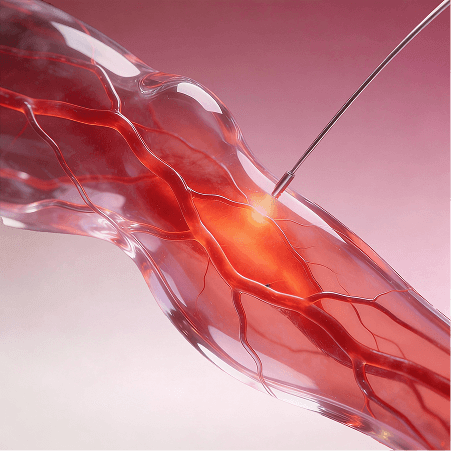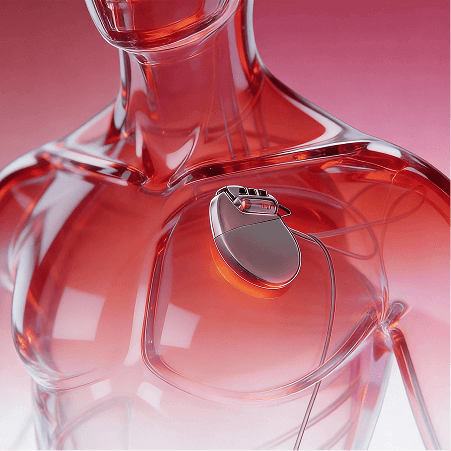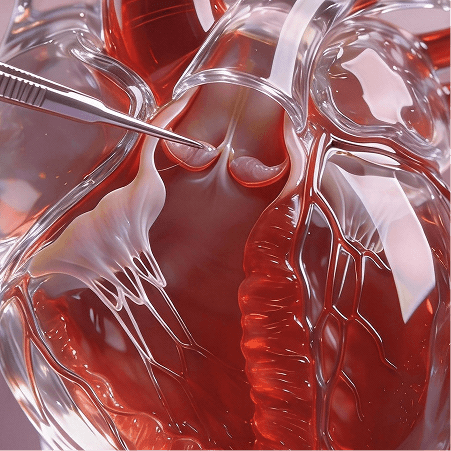


Minimally invasive valve surgery is a technique used to repair or replace heart valves through smaller openings in the chest, rather than opening the breastbone as in traditional open-heart surgery. Instead of a long incision down the centre of the chest, the procedure is performed through small cuts, usually placed to the side of the chest. A small camera and specially designed instruments are used to reach the heart and carry out the surgery with precision.
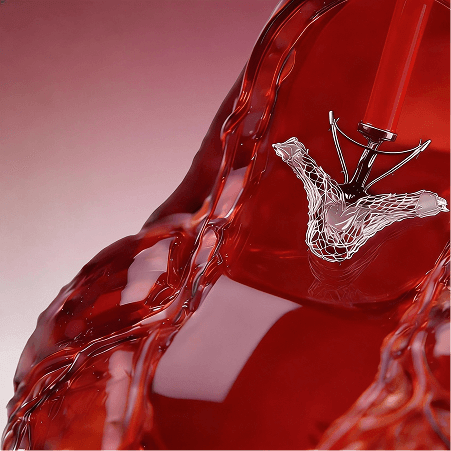
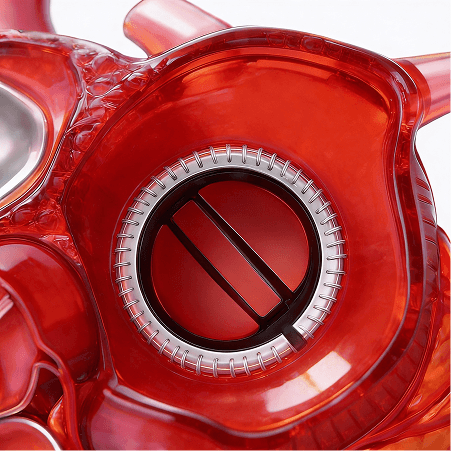
This approach allows the surgeon to access and treat conditions affecting valves such as the mitral, aortic, or tricuspid valves. These valves may become narrowed (meaning they do not open fully) or leaky (meaning blood flows backward), which can lead to symptoms like breathlessness, fatigue, or reduced exercise capacity. Minimally invasive techniques can also be used in selected cases where a previously replaced valve needs further correction.
Because the breastbone is not split, minimally invasive valve surgery generally causes less disruption to the body. Patients often experience less pain, smaller scars, and a quicker return to everyday activities compared to conventional open-heart surgery. Hospital stays are typically shorter, and the risk of complications such as bleeding or infection may be reduced in appropriately selected patients.
Not every patient is suitable for a minimally invasive approach. Careful assessment is required to determine whether this technique is safe and effective based on the type of valve disease, heart structure, and overall health. Dr. Gulshan Rohra evaluates these factors in detail to decide when minimally invasive surgery is appropriate, with the aim of achieving durable valve correction while supporting smoother recovery and long-term heart function.