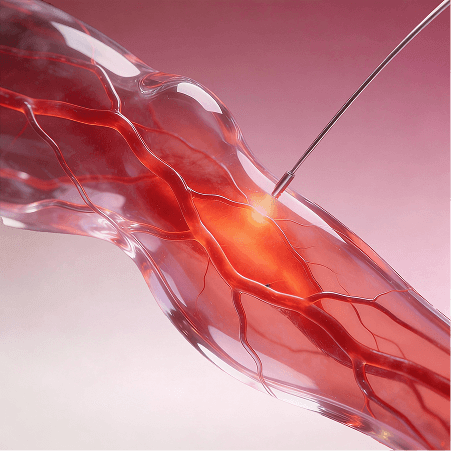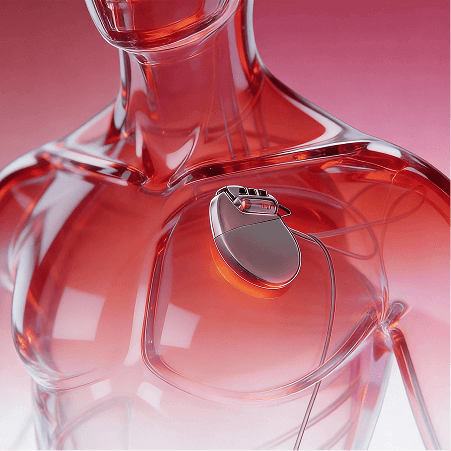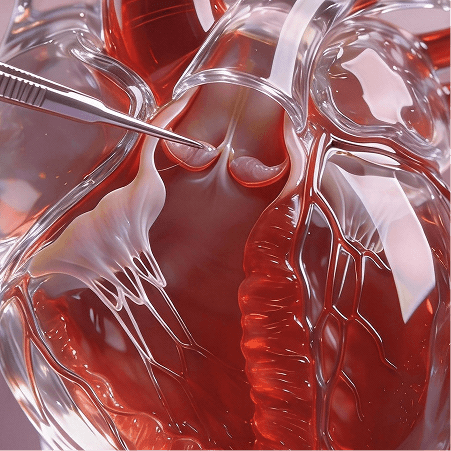


Minimally invasive cardiac bypass surgery is a surgical option used to treat blocked coronary arteries that supply blood to the heart, without opening the chest through the breastbone. Instead of a long incision down the centre of the chest, the procedure is performed through small openings on the left side of the chest. In some cases, robotic assistance is used to allow precise movement of instruments through these limited spaces.
During the surgery, a healthy blood vessel is used to create a new route for blood to flow around the blocked artery. This vessel is usually taken from the chest wall and is connected to the affected coronary artery, commonly one of the major arteries on the front surface of the heart. In selected patients, this surgical approach may be combined with stent placement in other arteries, allowing different blockages to be treated using a planned combination of techniques.
Because the breastbone is not cut, minimally invasive bypass surgery generally causes less physical stress than traditional open-heart bypass surgery. Patients often experience less pain, smaller scars, and a quicker return to normal activities. Hospital stays may be shorter, and recovery tends to be smoother when the procedure is appropriate for the patient’s condition.
This technique is not suitable for all types of coronary artery disease and requires careful evaluation of the heart’s anatomy, the location of blockages, and the patient’s overall health. Dr. Gulshan Rohra assesses these factors in detail to determine whether a minimally invasive bypass approach can provide safe and effective improvement in blood flow while supporting long-term heart function.