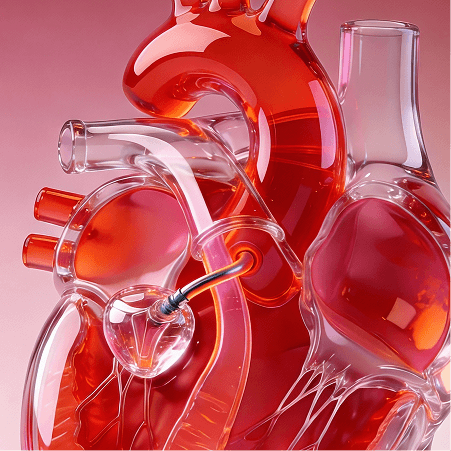


Congenital heart disease refers to heart conditions that are present from birth. These may include openings between heart chambers (often described as “holes in the heart”), abnormal heart valves, or blood vessels that are positioned or connected differently than normal. While many congenital heart problems are detected and treated in childhood, some remain mild or unnoticed for years and only begin to cause symptoms in adulthood. When this happens, the condition is referred to as adult congenital heart disease.
Adults with congenital heart disease may experience symptoms such as irregular heartbeats (arrhythmias, which means the heart beats too fast, too slow, or unevenly), tiredness, shortness of breath, reduced exercise capacity, or increased strain on the lungs. In some cases, long-standing defects can place extra pressure on the heart and surrounding blood vessels, leading to complications if left untreated.
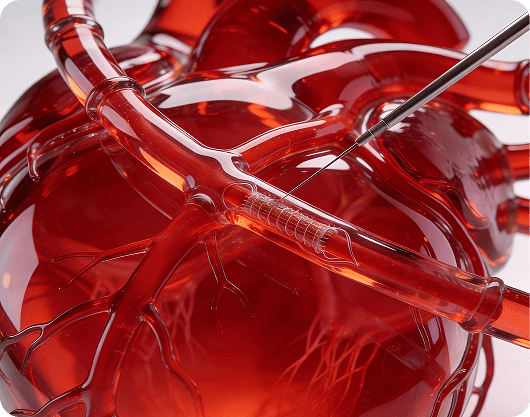
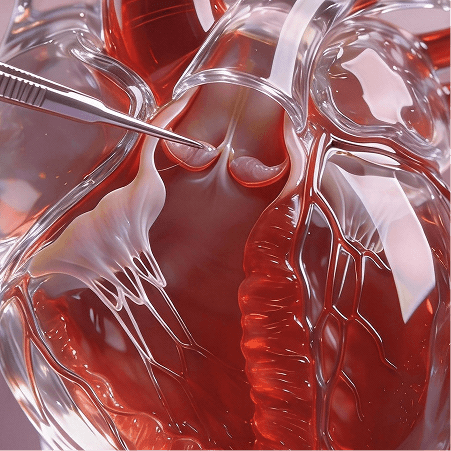
Treatment depends on the type and severity of the defect, as well as the patient’s age, overall health, and daily activity level. Surgical correction may involve closing abnormal openings between heart chambers, repairing or replacing valves, or correcting the flow of blood through the heart and major vessels. The goal of surgery is to improve circulation and heart efficiency while allowing patients to continue normal daily activities with minimal disruption.
Adult congenital heart disease often requires careful planning and coordination between specialists, including cardiologists and cardiac surgeons, as these conditions can differ significantly from heart disease that develops later in life. Dr. Gulshan Rohra manages such cases with a focus on precise correction, safety, and long-term heart function, taking into account each patient’s physical capacity and breathing needs. Ongoing follow-up is an important part of care, as congenital heart conditions may require monitoring even after treatment.